
beijing
A thousand years of kiln fire, preserved for this very moment.
Every illustration comes from a piece of authentic heritage.
At 12:44 local time on July 25, 2026, in Busan, South Korea, the Jingdezhen Handicraft Porcelain Industry Sites were officially inscribed on the UNESCO World Heritage List. China now has 61 World Heritage sites, with porcelain represented on the list for the first time.
Porcelain is an art of patience and time. A handful of kaolin clay takes time; a kiln of blue-and-white porcelain takes time; and a city's thousand-year-old craftsmanship takes even more time. Eleven centuries of accumulation have finally earned recognition from the world.
This time, we choose to tell the story through illustrations — brushstroke by brushstroke, capturing the moments when the kiln fires continued to burn; frame by frame, revealing the enduring spirit of the porcelain capital.
In these illustrations, discover the “slow” city of Jingdezhen.
Through these porcelain pages, understand a thousand years of history.
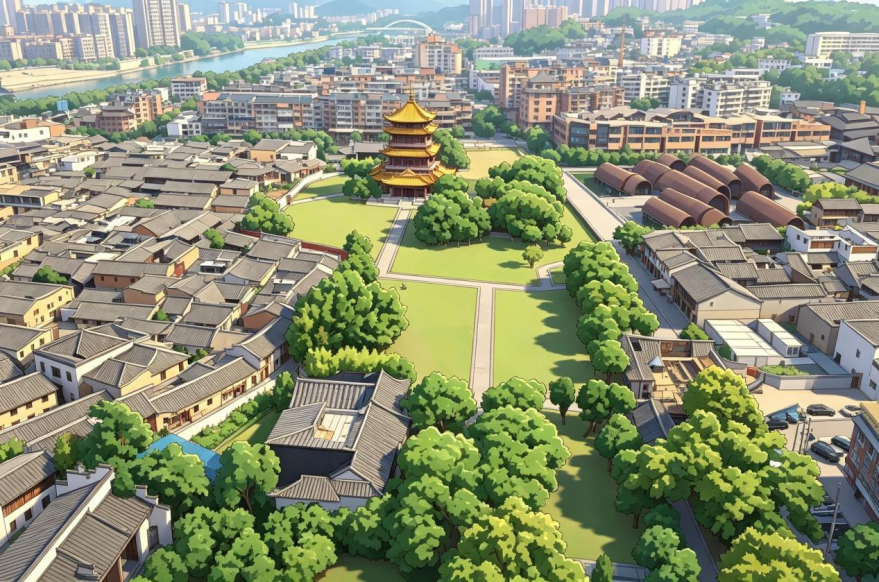
1. Imperial Kiln Factory Site (Town Porcelain Production Center)
The firing center for imperial porcelain during the Ming and Qing dynasties. Beneath deep archaeological strata lie more than 20 million porcelain shards, from which over 3,000 exquisite pieces of imperial porcelain have been restored. This is the heart of Jingdezhen’s porcelain industry.
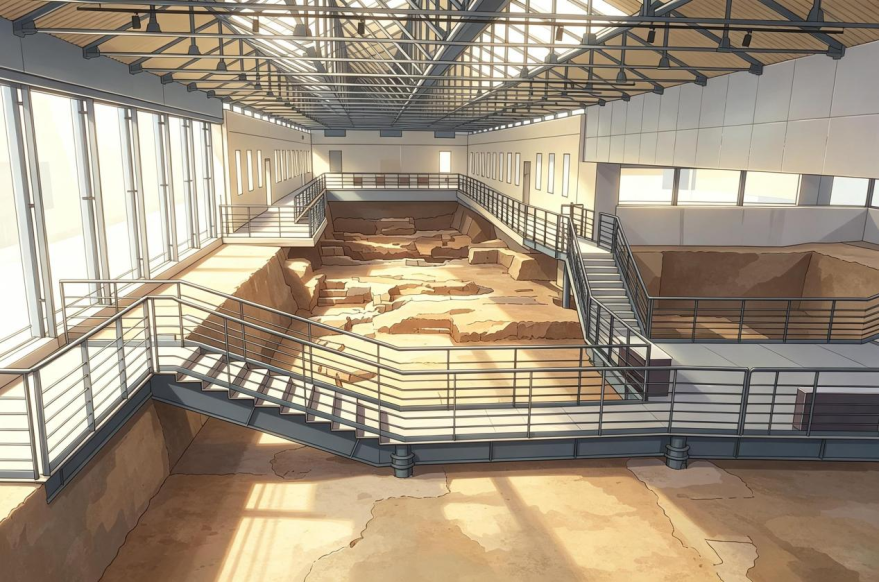
2. Luomaqiao Kiln Site (Town Porcelain Production Center)
An important part of the town’s porcelain production center. Its kilns witnessed the inheritance and evolution of Jingdezhen’s ceramic craftsmanship from the Song to the Yuan dynasties.
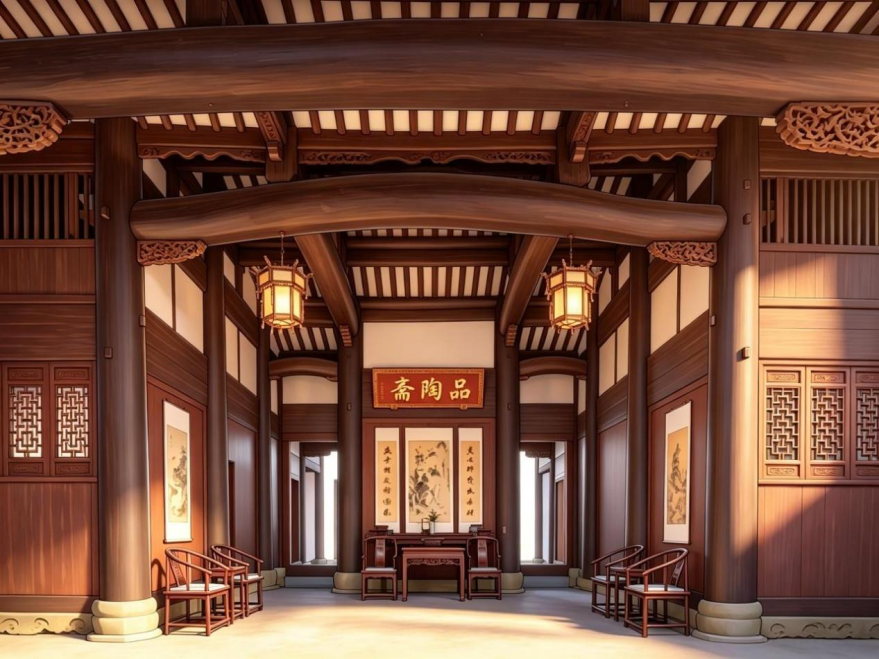
3. Xiangjilong Residential Houses (Town Porcelain Production Center)
The living spaces of porcelain workers. Beyond the kilns were the homes of generations of craftsmen. Production and daily life together shaped the complete character of this thousand-year-old porcelain capital.
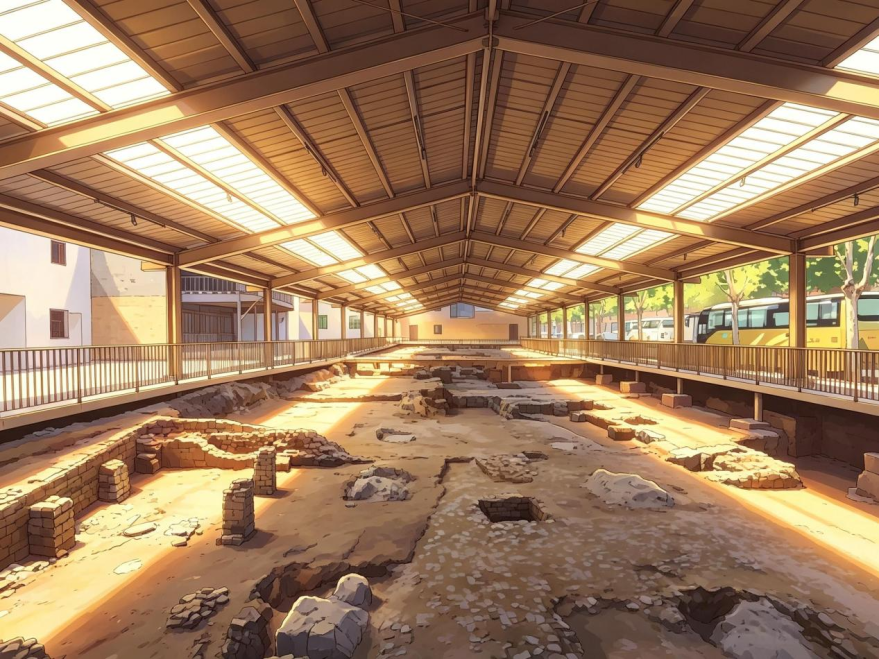
4. Zhushi Xialong Site (Town Porcelain Production Center)
A historic alleyway within the town’s porcelain production center. Deep in these lanes, porcelain was once collected, traded and distributed. Beyond the kilns, the vibrant life of the marketplace also formed the cultural foundation of this thousand-year-old porcelain capital.
5. Hutian Ancient Kiln Site
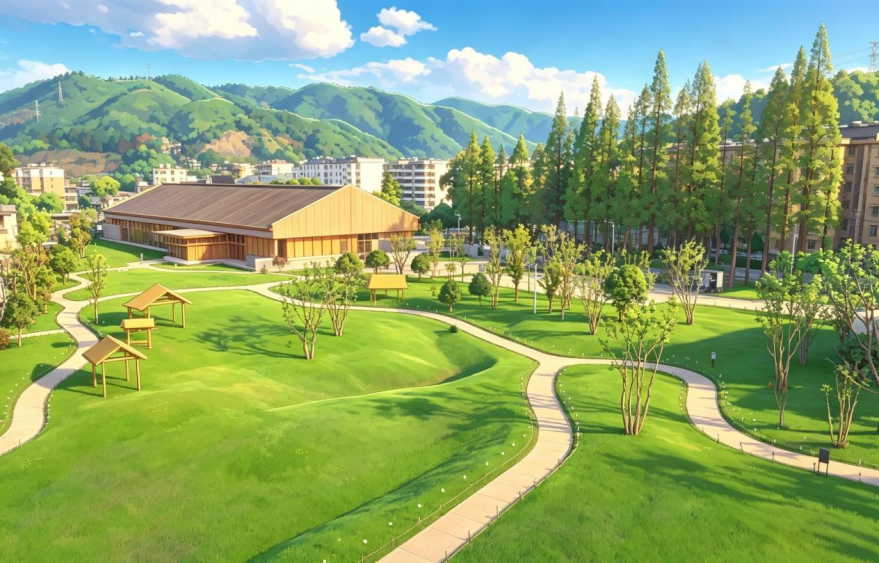
First fired during the Five Dynasties period, it flourished in the Song dynasty and ceased production in the Ming dynasty, leaving a legacy of nearly seven centuries. It is the longest-running and culturally richest ancient kiln site in Jingdezhen. Qingbai porcelain from here reached markets around the world. In 1982, it was designated as one of China’s National Key Cultural Relics Protection Units.

6. Gaoling Kaolin Mine Site
The Gaoling Kaolin Mine Site is located in Gaoling Mountain, Yaoli Town, Fuliang County, northeast of Jingdezhen. The name “kaolin” originated here and entered the history of global ceramics. Together with porcelain stone, it formed the “binary formula” that gave Jingdezhen porcelain its distinctive qualities — “white as jade and thin as paper.” A handful of clay helped define an entire porcelain tradition.
7. Dawukeng Porcelain Stone Open-Pit Mine Site
(Part of the Changling Porcelain Stone Mine Site)
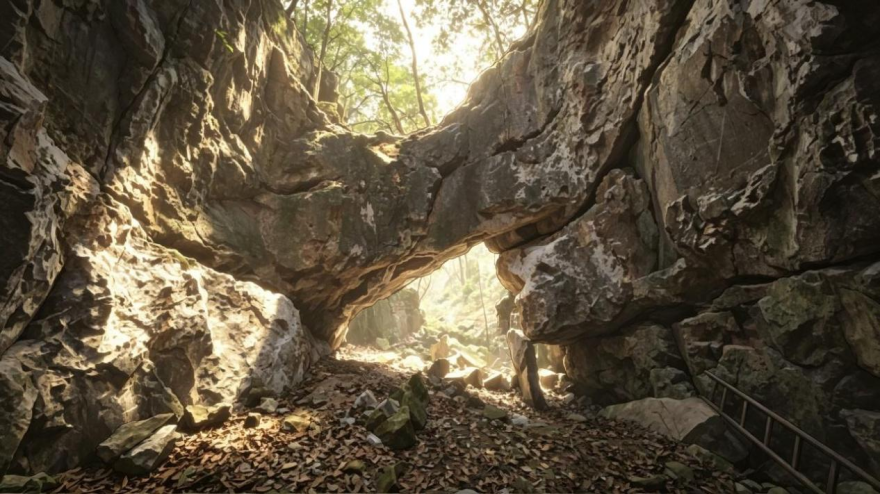
The core area of the Changling Porcelain Stone Mine Site. As a large-scale open-pit mining relic, it once witnessed the spectacular scene of thousands of miners working here. Porcelain stone was extracted and processed here before being transported to the town, becoming the fundamental “bone” of porcelain.
8. Mine Caves at the Xiaowuli Creek Porcelain Stone Mining and Processing Site
(Part of the Changling Porcelain Stone Mine Site)
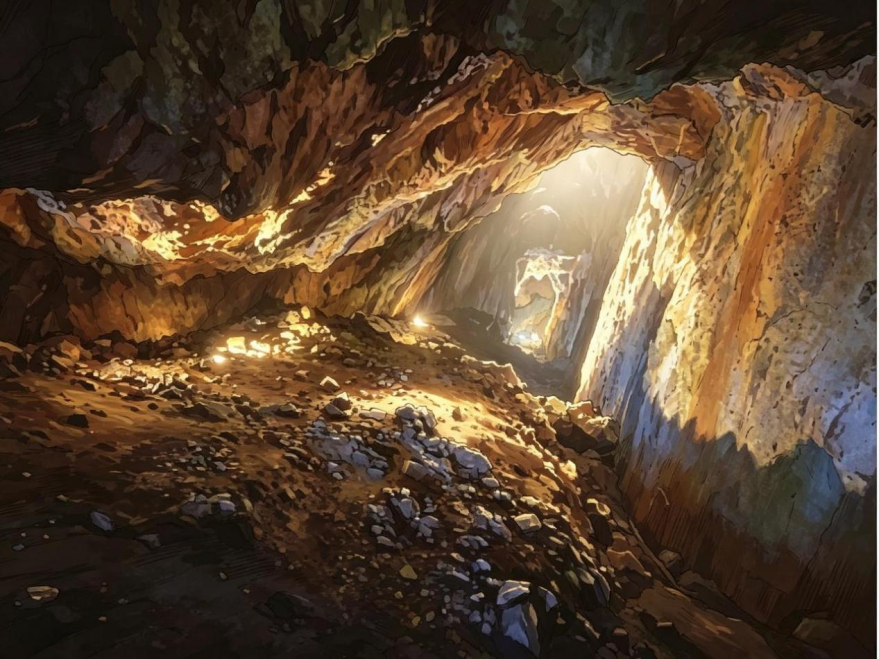
A complete production unit for porcelain stone mining and hydraulic processing during the Ming and Qing dynasties. Twelve mine caves are distributed along the mountain ore veins, while 26 water-powered trip hammers and 44 groups of washing ponds were built along the creek, forming a complete hydraulic processing system from crushing to shaping. Although the sound of the trip hammers has faded, the valley still preserves the marks of large-scale production from centuries ago.
9. Lifang Firewood Forest and Historic Buildings
(Jiaotan Firewood Production Area)
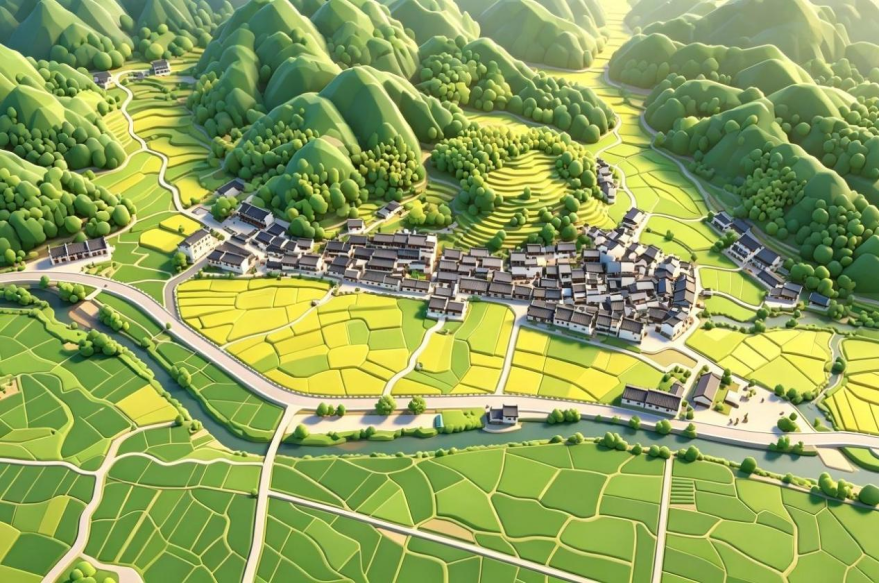
A clan-operated and sustainable kiln-fuel economic system during the Ming and Qing dynasties. It provided a high-quality fuel supply that kept Jingdezhen’s kiln fires burning for centuries. With continuous kiln fuel supply, the fires never went out.
Five components, 15 constituent elements and 45 heritage sites.
The core area covers 1,979 hectares, with a buffer area of 5,545.7 hectares.
From raw materials to fuel, from mining to firing, from production to transportation — this is a complete and living history of a thousand years of handmade porcelain craftsmanship.
A thousand years of kiln fire shine across the world. This is Jingdezhen’s glory and another gift of civilization from China to the world.
(Wang Jie)


Copyright ©1997- by CRI Online All rights reserved
