
beijing
In recent years, Wuhai City has given top priority to ecological restoration of mining areas. It pursues integrated efforts covering source-side control, in-process governance and end-stage restoration to deliver steady improvements to the ecological environment of mining areas. To date, local enterprises have invested a total of RMB 1.107 billion in construction, bringing 14 autonomous-region-level green mines into operation.
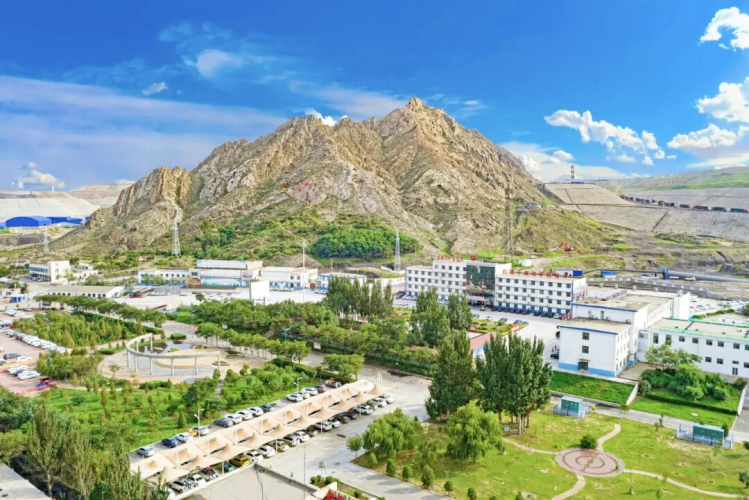
Aerial View of Wuhushan Mining Company
Recently, Wuhushan Mining Company under CHN Energy Wuhai Energy, located in Wuda District, has shed the gray, dust-plagued look typical of conventional coal mines. The mining site now features lush vegetation and clean roads, with its ecological environment thoroughly renewed. According to the company, through scientific remediation and phased ecological restoration of the mine's geological environment, material stockyards, gangue piles and slag heaps, alongside the “photovoltaic coverage + slope revegetation” model, the mine has effectively integrated comprehensive treatment of bare areas with the use of new energy, curbing soil erosion and dust pollution. At the same time, drawing on its wastewater treatment system, the mine recycles all mine water and domestic sewage for ecological conservation, reducing fresh-water intake. Coal-fired facilities have been phased out and replaced with natural-gas heating, achieving near-zero emissions of boiler air pollutants. The mine was included in the Inner Mongolia Autonomous Region Green Mine List in 2024 and obtained the national 5A-level Green Mine Certification in 2025.
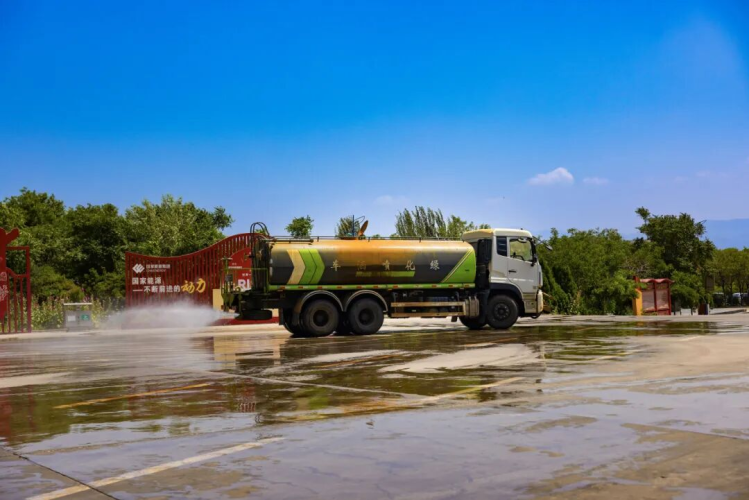
Water Sprinkler Conducting Dust Suppression at Wuhushan Mining Company
Wuhai is endowed with abundant coal resources. Decades of high-intensity mining have left numerous mining pits, slag heaps and spoil dumps, with mining areas once standing as the city's most prominent ecological weak point. Developing green mines is an important measure to improve mining-area ecosystems and advance high-quality development of the mining industry. In recent years, Wuhai City has improved its three-tier accountability system, prioritized green-mine development as a key task, launched joint interdepartmental efforts, strengthened policy support, and incentivized enterprises to participate actively. As green-mine construction moves forward, Wuhai's mining mode is shifting rapidly from extensive exploitation toward green production.
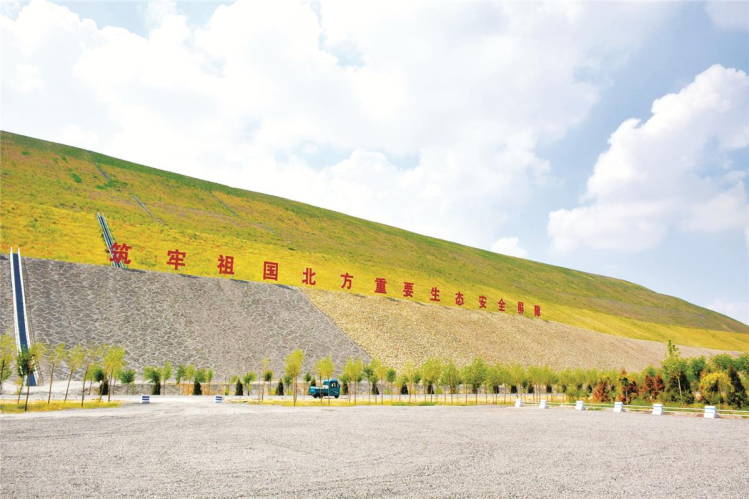
Restored Slag Hill at the Mining Area
Meanwhile, Wuhai City has advanced resource integration and layout optimization to standardize mineral-resource development from the source. The city has optimized the spatial distribution of mineral resources, promoted mine consolidation and the exit of low-efficiency mines, optimized the allocation of mining rights and production capacity, and raised the level of intensive and large-scale mine development. These efforts reduce ecological damage at the source and facilitate the mining sector's transition from extensive exploitation to green, high-quality development.


Copyright ©1997- by CRI Online All rights reserved
