
beijing
In the movie Dear You, the line "Come have tea" spoken by Grandma touched countless viewers.
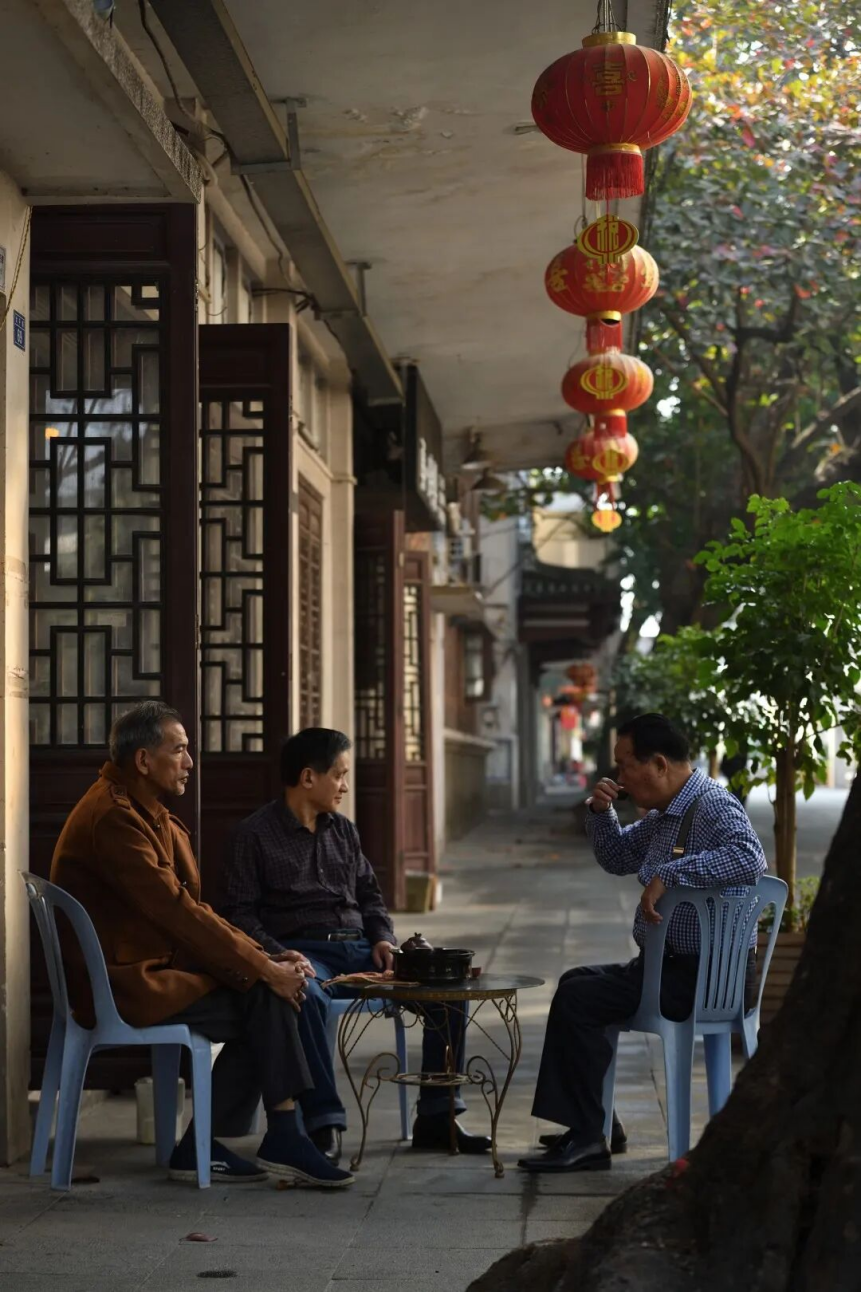
Real-life Chaozhou is just as heartfelt. Instead of the usual greetings, locals welcome you with: "Sit down, have a cup of tea first." Many visitors say that after spending a few days in Chaozhou, the first two Teochew phrases they learn are "Come have tea" and "Ga gi nang" (one of us).

These two phrases carry deep meaning. "Come have tea" embodies Chaozhou's gentle hospitality, while "Ga gi nang" is a heartwarming expression that makes visitors feel like family. After a cup of hot tea, a feast of local delicacies soon follows.
Tea opens every conversation in Chaozhou, and sizzling food tells the real story. You can never have enough meals in Chaozhou. For Teochew beef hot pot, thinly sliced fresh beef is dipped in boiling broth, lifted out and dipped back in three times, and ready in just eight seconds — incredibly tender.
Teochew raw-marinated seafood is nicknamed "poison" by locals: its distinctive flavor leaves you craving more after the very first bite. Oyster omelets combine fresh oysters with sweet potato starch batter and are pan-fried until golden, crispy on the outside and tender inside. Sweet-and-sour licorice-seasoned fruit is the perfect summer treat in Chaozhou.
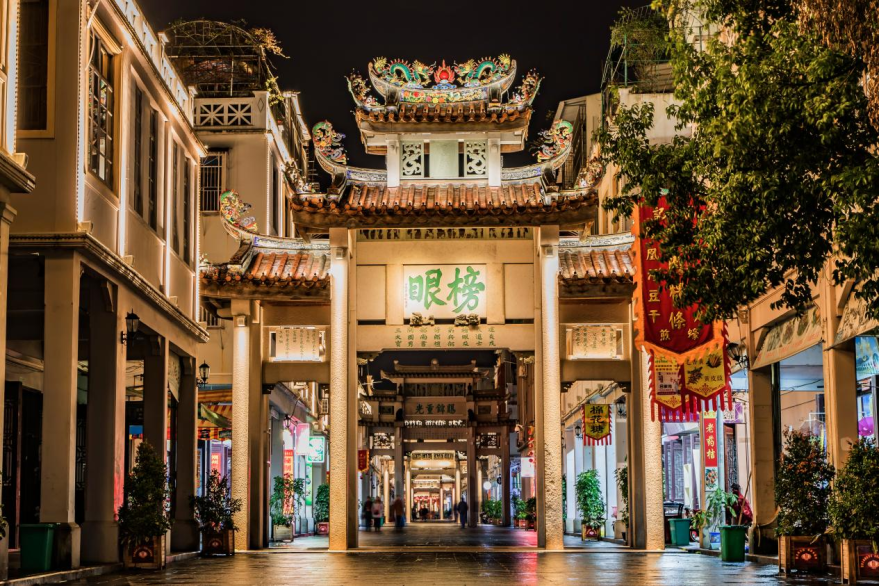
Wok aromas fill the air amid lively chatter. Chaozhou's delicacies hide in alleyways, with authentic local flavors waiting to be discovered around every corner. It is easy to see why visitors say they could eat eight meals a day and still want more.
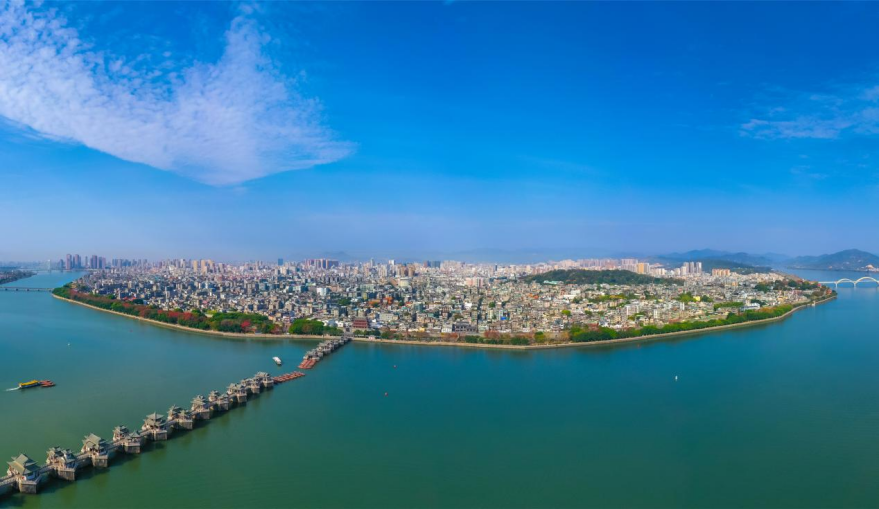
A Cantonese saying goes: "To visit Guangdong without Chaozhou is to miss out on the journey." Chaozhou has long been celebrated as "a cultural heartland by the sea" and "a renowned city in the Lingnan region." It is both a UNESCO Creative City of Gastronomy and the ancestral home and spiritual homeland of Teochew people around the world. Here, the classical culture of the Central Plains has been preserved and passed down through generations.
Guangji Bridge, one of China's four great ancient bridges, was described by bridge expert Mao Yisheng as the world's earliest opening-and-closing bridge. It stretches across the river by day, while its lights reflect on the water after nightfall, making it a picturesque sight.
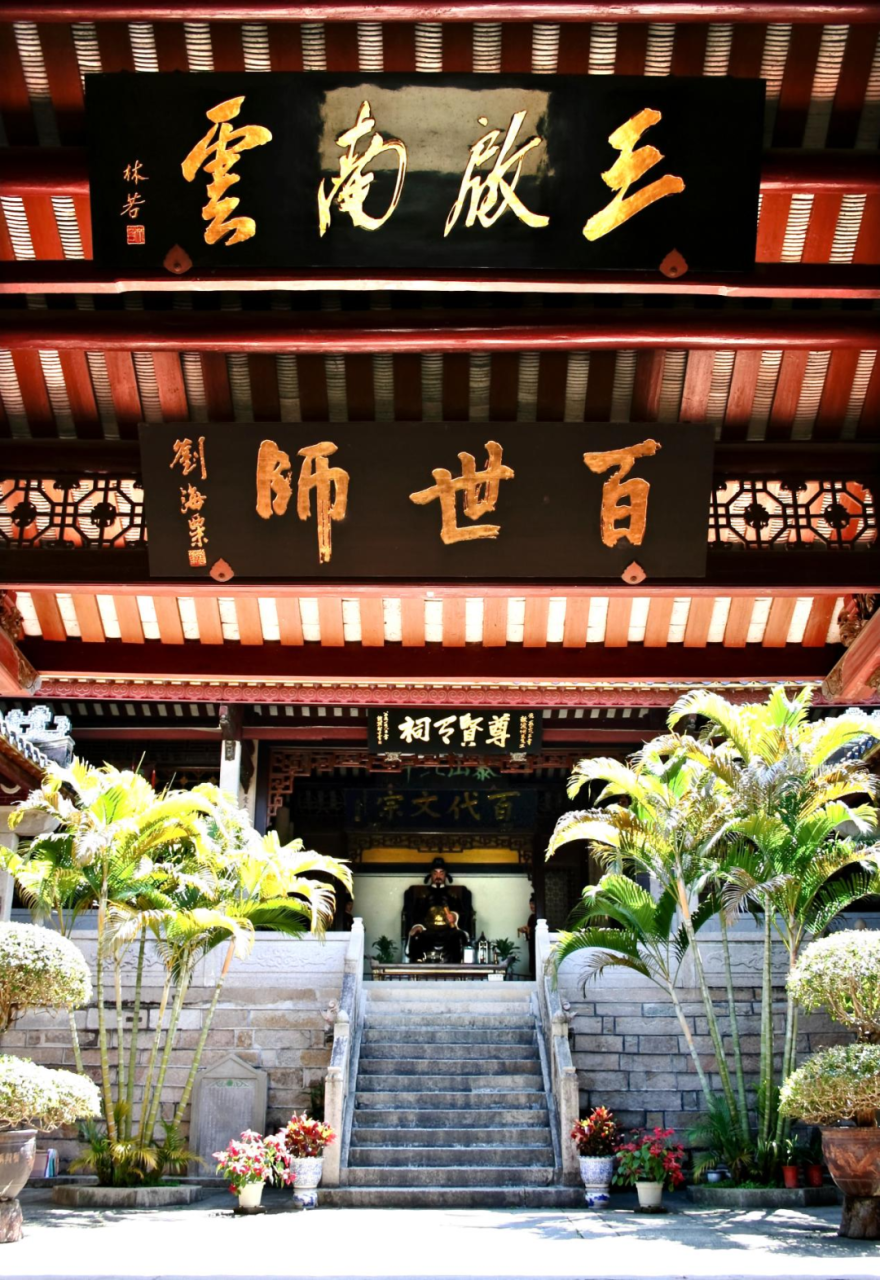
Han Yu Memorial Hall is the oldest surviving and best-preserved shrine in China dedicated to Han Yu. Banished to Chaozhou in 819 AD, Han Yu stayed for only eight months, yet he promoted education, addressed local ills and worked for the people's well-being. More than a thousand years later, the Han River and Han Mountain still bear his name, and the people of Chaozhou continue to remember his contributions with gratitude.
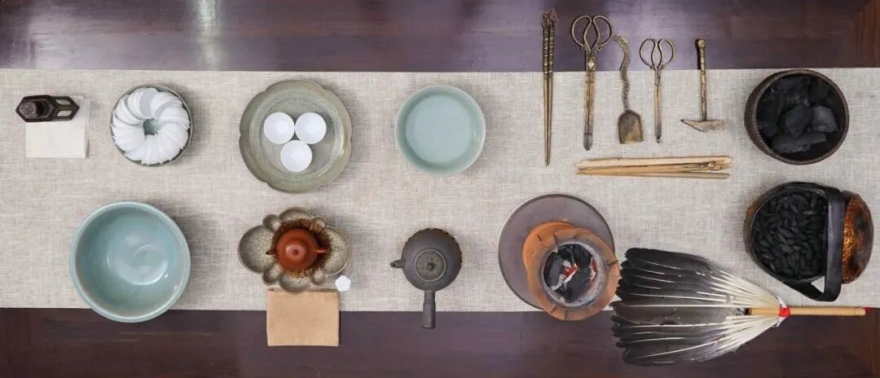
In 2022, Chaozhou Gongfu tea-making techniques were inscribed on UNESCO's Representative List of the Intangible Cultural Heritage of Humanity, as part of Traditional Chinese Tea Processing Techniques and Associated Social Practices. Chaozhou is also home to a rich array of traditional arts and crafts, including Teochew embroidery, porcelain, carving, clay sculpture and Teochew opera, all distinguished by their exceptional craftsmanship.
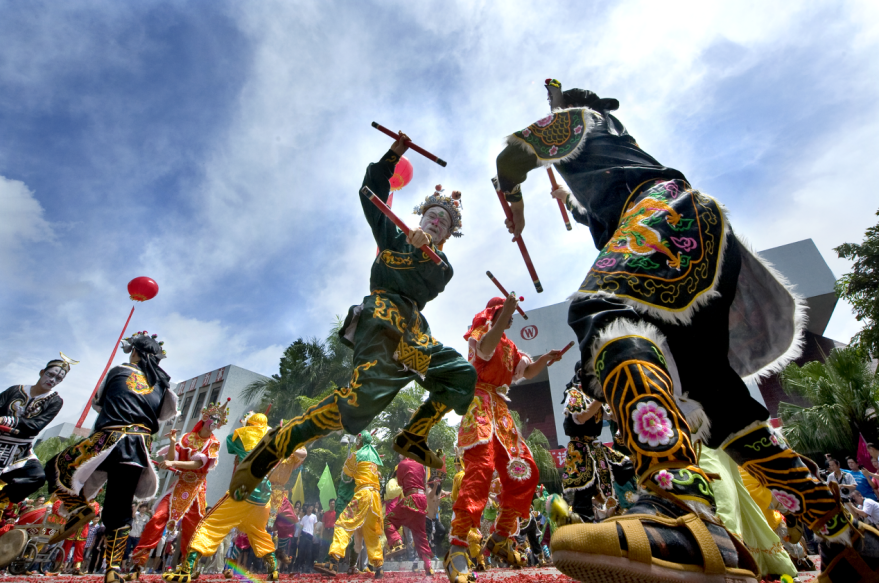
Chaozhou now boasts 1 UNESCO-listed intangible cultural heritage item, 17 national-level, 47 provincial-level and 139 municipal-level intangible cultural heritage items. These treasures are not locked away in glass display cases. They live on in the streets and alleyways, in cups of tea and in the everyday lives of ordinary people.
Come to Chaozhou. Sip a cup of Gongfu tea, savor authentic local delicacies — and you'll soon feel like one of the family.


Copyright ©1997- by CRI Online All rights reserved
