
beijing
On November 11, 2026, the Beijing Pinggu Agricultural Zhongguancun White-Feathered Broiler Forum was held at Shanghai Tower. Business representatives from Tanzania, Nigeria, Pakistan, Saudi Arabia, and Uzbekistan joined the event onsite in Shanghai and via remote cloud participation. The forum was hosted by Pinggu Agricultural Zhongguancun, guided by the Beijing Municipal Bureau of Agriculture and Rural Affairs and Beijing Capital Agribusiness & Food Group, and organized by Beijing Huadu Yukou Poultry Industry Co., Ltd. At the event, the new domestic white-feathered broiler variety "Wode 178" was officially released, and strategic cooperation agreements were signed in two major segments—international laying hens and international broilers—marking that the livestock and poultry "agricultural core of China" originating from Pinggu, Beijing, are accelerating its global reach along the Belt and Road Initiative and contributing Chinese solutions to global protein supply security.

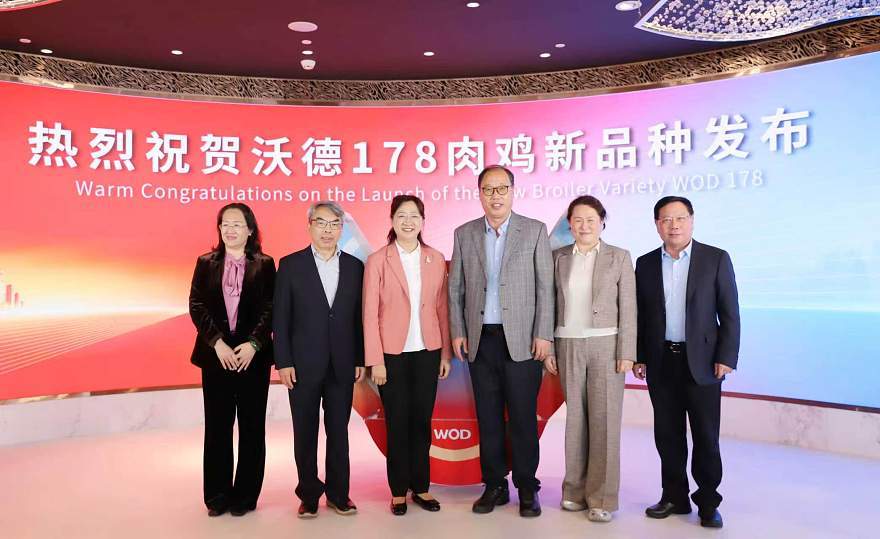
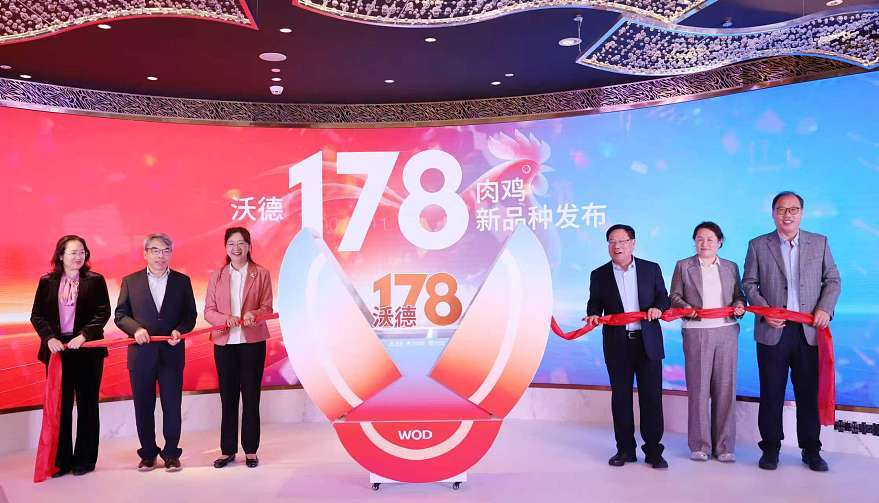
For a long time, the global market for grandparent-generation core breeding stock of white-feathered broilers has been highly concentrated, with the breeding lines of mainstream varieties such as AA and Cobb concentrated in the United States. Many countries have relatively limited choices of breeding stock for their poultry industries, and their chicken protein supply is vulnerable to fluctuations in international supply chains. For nearly 40 years in the past, China also faced a situation in which its white-feathered broiler breeding stock was 100 percent dependent on imports. Through sustained scientific research, China achieved a "zero-to-one" breakthrough in domestic white-feathered broiler breeding lines in 2021. In 2023, Yukou Poultry achieved the first overseas export of domestically bred breeding chickens, exporting breeding chickens to Tanzania. This opened a new chapter in the internationalization of China's improved livestock and poultry breeds and marked a historic shift from "importing breeding stock" to "exporting breeding stock".
Rooted in Beijing's Pinggu Agricultural Zhongguancun, Yukou Poultry relies on the "golden triangle" innovation model of "government guidance, research support, and enterprise as the main body", and uses proprietary technologies such as the "Fengxin No.1" gene chip to continuously iterate its Wode broiler variety portfolio. The newly unveiled Wode 178 takes into account both domestic and overseas market demand. It features a "four large and one small" body conformation, with a prominent share of high-value parts such as wings, feet, legs, and gizzards. It can be adapted to multiple market weights ranging from 1.8 to 2.5 kg. It not only meets domestic processing and consumption needs such as stir-frying, deep-frying, braising, but its 1.8 kg specification version can also be adapted to farming and slaughtering scenarios in many overseas countries, providing global farmers with a differentiated new option distinct from European and American varieties.
The forum was held at Shanghai Tower precisely to leverage Shanghai's advantages as an opening-up hub and to present Pinggu's breeding research achievements at a frontline window for international exchange. Breeding R&D, germplasm resources, and trial bases are all located in Pinggu, Beijing. By leveraging Shanghai's locational advantages in gathering foreign trade resources and overseas business representatives, the model of "R&D in Pinggu, launch in Shanghai, empower the whole country, and connect the globe" is realized, allowing domestic improved breeds to directly face the international market and efficiently connect with overseas partners.
At the forum, strategic cooperation agreements for international laying hens and international broilers were signed in a concentrated manner, covering multiple Belt and Road partner countries in Africa, Central Asia, Southeast Asia, and the Middle East. In the layer segment, two parent-generation layer breeding stock industrial demonstration parks will be established simultaneously in Pakistan and Nigeria. The projects will be built as a full-chain closed loop covering "chick brooding and rearing—breeding stock raising—hatching egg incubation". In the broiler segment, grandparent broiler projects are planned in Uzbekistan and Saudi Arabia respectively. Uzbekistan will have 60,000 sets of grandparent broilers, equipped with large-scale laying houses, brooding houses, and a hatchery capable of incubating tens of millions of hatching eggs annually. Once the project is completed, it will annually promote 500 million commercial broilers to the five Central Asian countries and regions such as Afghanistan, Russia, and Belarus. Saudi Arabia, targeting a deeper link in the industrial chain, plans to build a 240,000-set parent stock farm, a commercial farm with an annual output of 30 million birds, and a broiler slaughterhouse with an annual slaughter capacity of 30 million birds, forming an integrated "breeding stock—farming—slaughter" closed loop directly connected to chicken consumption in the Gulf market. Tanzania will adopt a phased "dual-variety drive of layers and broilers": in the first phase, 20,000 sets of "Jinghong No.1" grandparent layers will be built; after reaching full production, it will expand by 60,000 sets of Wode grandparent broilers, with sales areas covering East African Community countries and surrounding markets.
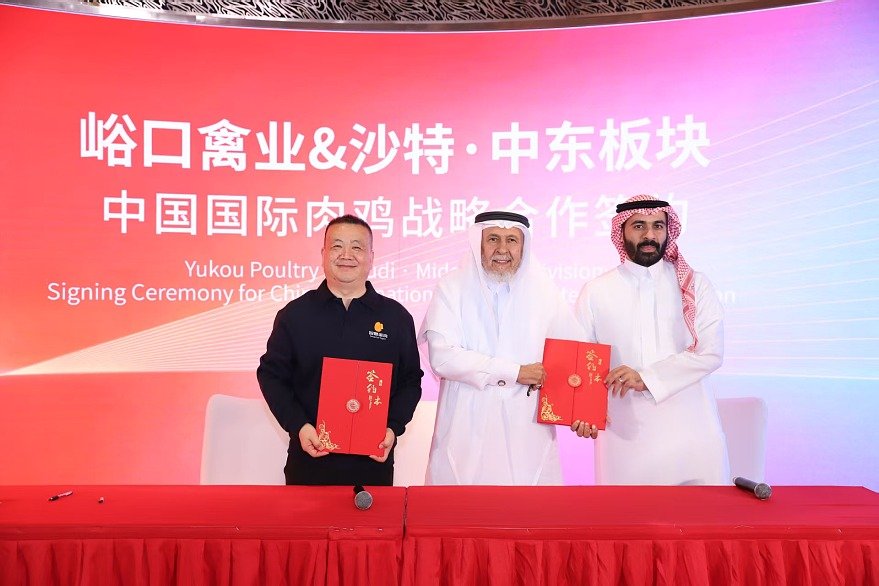
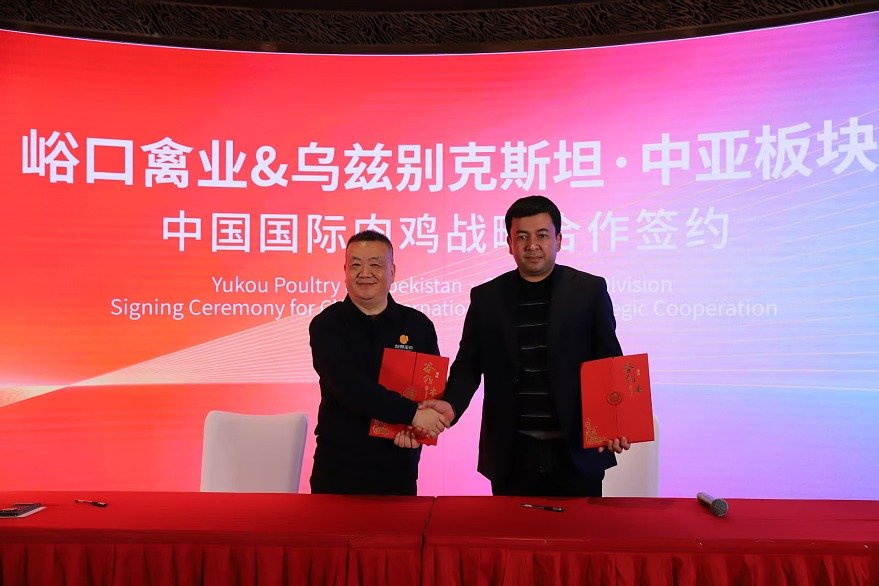
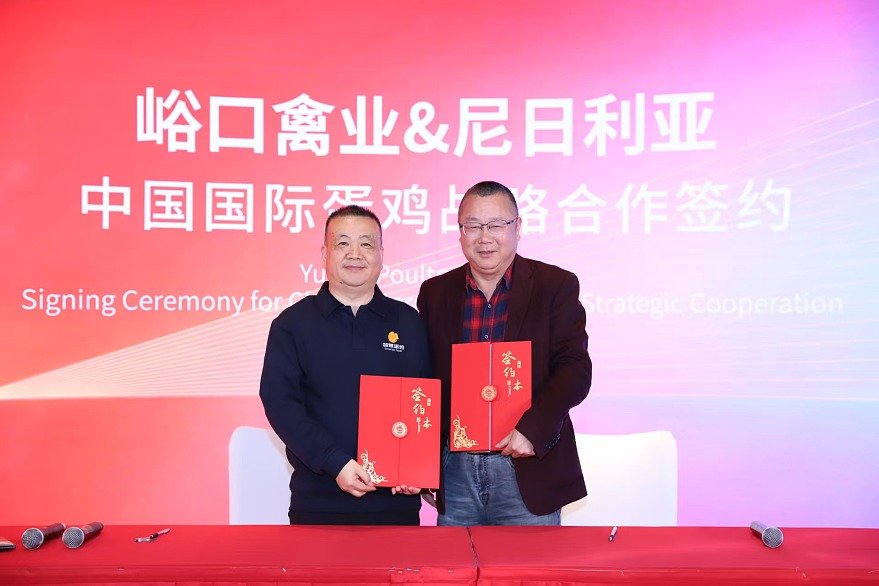

Unlike simple exports of day-old chicks, this cooperation upgrades Beijing's seed industry to all-factor output of "variety + technology + management". It not only exports superior breeding stock such as Jing-series layers and Wode-series broilers, but also simultaneously exports supporting feeding technologies, disease prevention and control solutions, and farm management systems, helping partner countries build localized poultry breeding industrial systems, driving local poultry industry upgrading, and enhancing local self-sufficiency in meat and eggs.
"Wode means 'mine', but it also belongs to the World." This is the internationalization vision of Pinggu Agricultural Zhongguancun and Yukou Poultry. The ultimate goal of domestic breeding is both to safeguard the dining tables of 1.4 billion Chinese people and to use mature independent seed industry achievements to help global protein supply security. As domestic livestock and poultry breeding stock continues to go overseas, the achievements of Beijing’s "Seed Industry Capital" development continue to radiate to the world. China's technical experience and industrial models in poultry breeding are adding Chinese practical examples to global food and protein security governance.
In the future, Pinggu Agricultural Zhongguancun will continue to take Yukou Poultry as its core carrier, continuously improve the fast-, medium-, and slow-growing full-coverage broiler variety matrix, deepen bilateral and multilateral agricultural seed industry cooperation, continuously expand the international circle of friends of China's seed industry, and promote more Beijing-branded improved livestock and poultry breeds to take root in Belt and Road partner countries, achieving mutual benefit and win-win results.


Copyright ©1997- by CRI Online All rights reserved
