
beijing
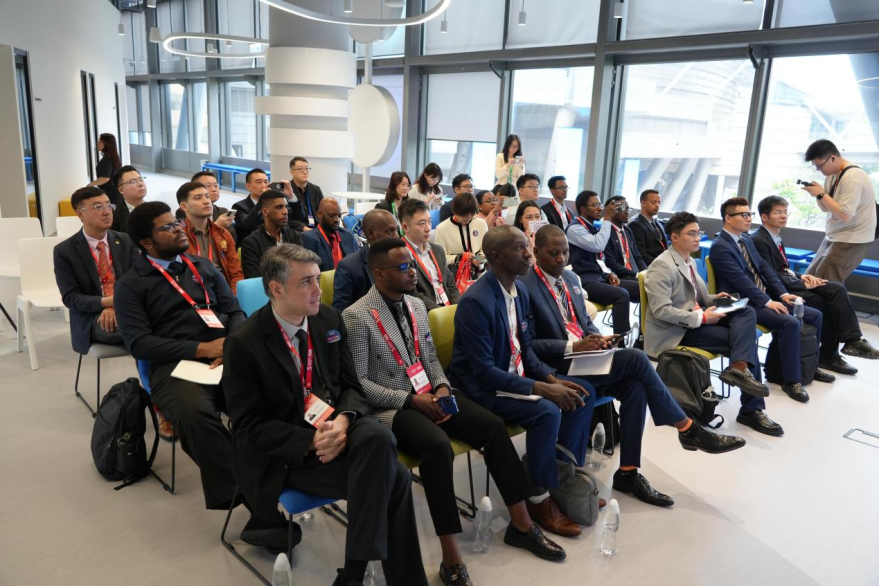
From April 12 to 14, the Capacity Building on AI and Cybersecurity program, jointly organized by the World Internet Conference Digital & AI Academy (WICDA) and the Hong Kong Cybersecurity Professional Association, was held in Hong Kong.
The program brought together government officials and technical experts from developing countries, focusing on AI capacity building, cybersecurity, and the security of the low-altitude economy, with the aim of helping bridge the global digital divide in the AI era.
WICDA Officially Renamed
At the opening ceremony, Ren Xianliang, Secretary-General of the World Internet Conference, announced that the "WIC Digital Academy" has been officially renamed the "WIC Digital & AI Academy (WICDA)". Under its new name, the WICDA will focus on digital and intelligent development, and carry out regular, international capacity-building programs.
Authoritative Insights on Three Key Topics
As the first flagship program following the renaming, the training covered the full spectrum from technological trends and security governance to application scenarios and risk control.
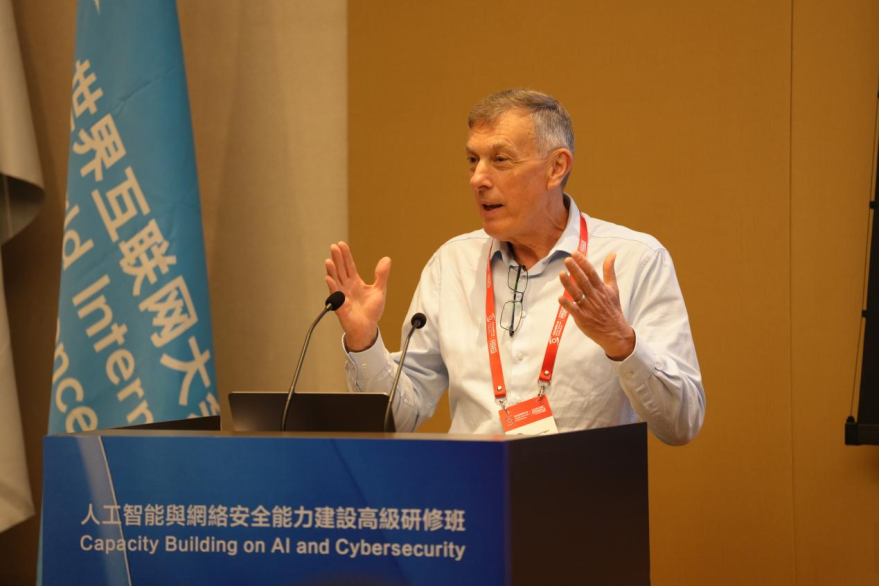
John Stuart Higgins, Co-lead of the Standards Program of World Internet Conference Specialized Committee on Artificial Intelligence, Chair of International AI Governance Association.
AI Technology Trends and Inclusive Development: Higgins noted that connectivity, computing power, data, and capabilities are key to inclusive AI development, advocating a standards-driven approach to growth.
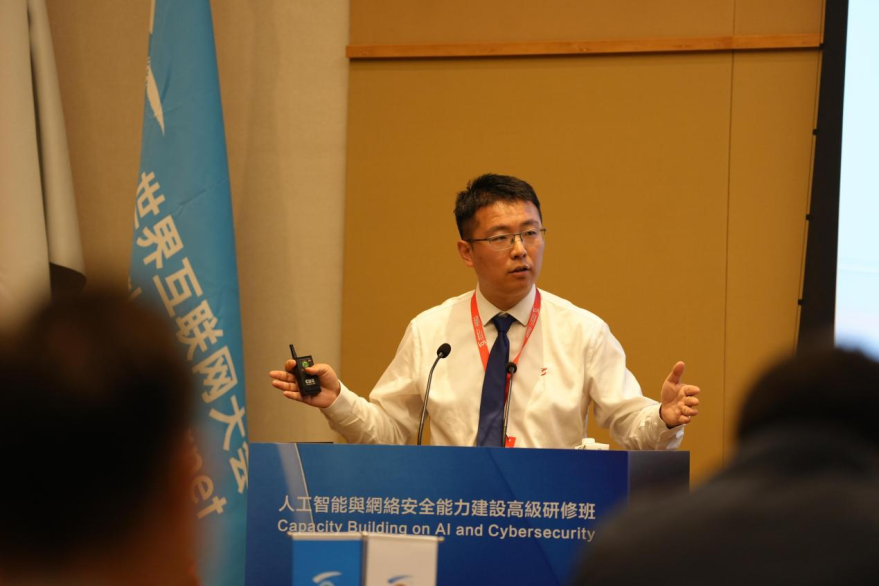
Zhu Xiaodong, President of Hangzhou Anheng Low-Altitude Security Technology and Vice President of DAS-Security.
Low-Altitude AI Security and Agent Security: Zhu elaborated on drone detection, countermeasures, and data security, proposing a governance approach of "using AI to counter AI".
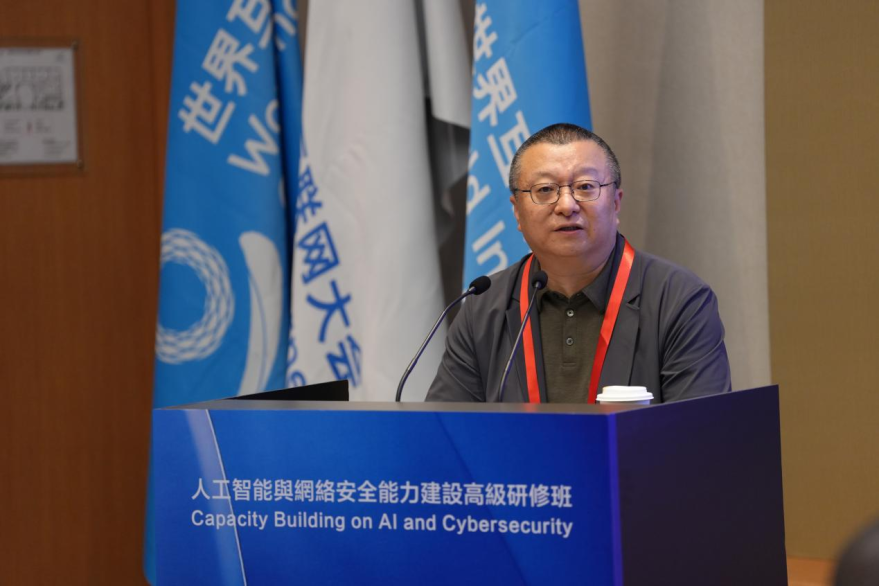
Wang Wei, Vice-Chair of World Internet Conference Specialized Committee on Artificial Intelligence, COO of Weibo, CEO of Sina Mobile, Dean of Sina AI Media Research Institute.
Cybersecurity Challenges and Governance Driven by the AI Wave: Wang highlighted the existence of gaps in cognition, capability, and coordination in AI governance, emphasizing the need to strengthen institutional frameworks and talent development.
Broad Participation from Multiple Countries
Participants from 16 countries and regions, including Myanmar, Cambodia, Türkiye, and Uruguay, attended the program. Through case studies and group discussions, they shared experiences on AI governance and cybersecurity practices.
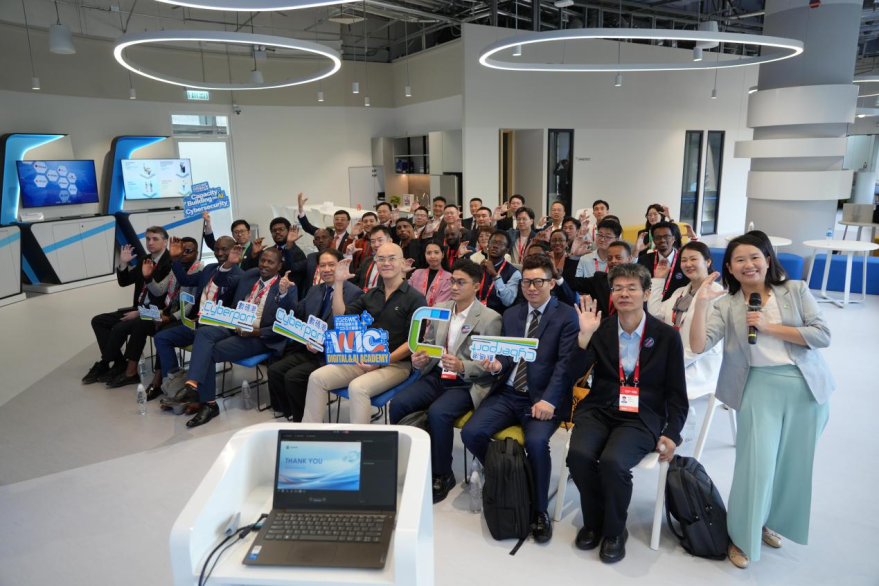
Building Consensus for Inclusive Development
Participants widely agreed that while AI presents significant development opportunities, it also brings risks such as algorithmic bias and the digital divide, underscoring the urgent need for a fair and transparent governance system.
A participant from the Ministry of Post and Telecommunication of Cambodia noted that the program helps developing countries build trustworthy AI governance systems and enhance public confidence. A trade commissioner from Türkiye affirmed the value of the field study and suggested expanding the program's reach in the future.
Leveraging Hong Kong's strengths in innovation and technology, the program has effectively enhanced AI governance and cybersecurity capabilities in developing countries, contributing to inclusive digital development across the Asia-Pacific region.


Copyright ©1997- by CRI Online All rights reserved
